Supporting Informed Agricultural and Rural Decisions in India
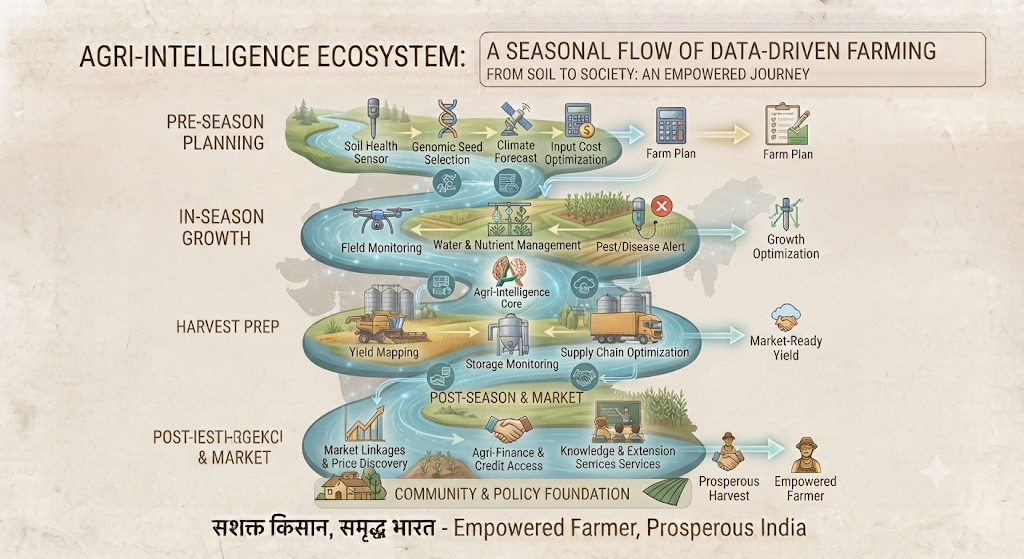
Introduction :Making Informed Decisions in Indian Agriculture and Rural Communities
Managing a farm or building a rural enterprise involves continuous choices. From selecting seed varieties and managing irrigation to timing produce sales, maintaining livestock health, and planning small-business investments, agricultural producers must evaluate multiple factors. Because weather patterns, input costs, and local market conditions change regularly, having access to dependable information is essential.
In recent years, digital resources and mobile technology have expanded how rural families research agricultural topics. However, technology is only valuable when the information is accurate, easy to understand, and adapted to local realities. This article explores how farmers and rural entrepreneurs can use reliable digital knowledge platforms, verify official requirements, and approach agricultural planning with clarity and confidence.
The Value of Accessible Rural Knowledge
When searching for agricultural guidance, the clarity and language of the resource matter greatly. Many rural readers prefer learning in their native languages rather than sorting through complex technical terms in English. Access to clear farming information in Hindi allows readers to grasp foundational agronomic principles, study seasonal crop protection methods, and prepare informed questions for local agricultural extension officers or block development specialists.
Language accessibility bridges the gap between agricultural research and daily farm management. When information is presented in familiar terms, readers can assess whether a specific cultivation practice matches their local soil type, water availability, and regional climate before committing financial resources.
Navigating Public Support and Financial Services
Managing farm finances often requires exploring external support systems and credit facilities. Farmers frequently research government schemes for farmers to understand what assistance programs exist for input subsidies, irrigation equipment, and infrastructure development. When exploring these initiatives, it is vital to review official documentation directly to confirm current eligibility rules, required paperwork, and application timelines.
A critical administrative requirement for many financial programs is completing the PM Kisan eKYC procedure through authorized government portals or designated service centers. Keeping digital profile records updated prevents payment delays and ensures smooth access to entitled benefits. Additionally, many producers utilize the Kisan Credit Card facility to secure working capital for seasonal crop inputs. Before applying, check interest rates, repayment schedules, and documentation requirements directly with your lending institution to ensure the credit facility aligns with your financial capacity.
Understanding Agricultural Market Information
Timing the sale of agricultural produce can significantly influence overall profitability. Farmers often need guidance on how to check mandi prices by verifying the specific crop variety, local market yard, transaction date, and standard unit of measurement. Cross-referencing current mandi rates from official agricultural marketing boards helps prevent reliance on hearsay or outdated figures.
It is also important to remember that published market rates represent general trading averages and may differ from the net amount a farmer actually receives. Factors such as grain moisture content, foreign matter impurities, local transport expenses, handling fees, and commission charges all affect final earnings. Evaluating these deductions before transporting produce to market ensures realistic financial planning.
Improving Crop Cultivation and Sustainable Practices
Growing staple crops successfully requires disciplined execution from sowing to harvest. For instance, understanding how to grow paddy involves careful land leveling, maintaining optimal standing water levels during vegetative growth, selecting certified disease-resistant seed varieties, and managing nutrient applications split across key growth stages. Timely weed control and active scouting for stem borers help protect yields from unexpected losses.
Beyond conventional staple farming, many rural producers explore alternative approaches to improve long-term soil structure. Learning how to start organic practices involves studying soil biology, composting techniques, crop rotation schedules, and preventive pest management rather than relying solely on chemical inputs. Transitioning to organic methods requires patience, careful record-keeping, and an understanding that adopting sustainable techniques on a plot does not automatically confer formal organic certification without official inspection and approval.
Livestock Management and Rural Enterprise Opportunities
Animal husbandry forms the backbone of many rural livelihoods, providing supplementary income and nutritional security. Access to reliable livestock management information helps owners maintain proper housing ventilation, balanced nutrition, clean drinking water, and rigorous sanitation routines. Regular deworming, timely vaccinations, and maintaining direct access to qualified veterinary support are vital for preventing disease outbreaks within herds.
For those exploring how to start goat farming, careful preparation is essential before purchasing animals. Prospective rearers must evaluate breed suitability for local weather conditions, availability of fodder, secure shelter design against predators, recurring feed and medical expenses, and local market demand. Similarly, exploring broader village business ideas—such as dairy units, poultry rearing, aquaculture, or local repair services—requires assessing local demand, required skills, and initial setup costs. Conducting small-scale feasibility checks online and offline helps minimize financial exposure.
How MAHTO.IN Supports Information Discovery
Finding dependable answers requires platforms tailored to the needs of rural households. MAHTO.IN serves as an independent rural knowledge platform designed to help readers explore practical agricultural guidance, scheme-related topics, mandi information, livestock care, and rural business opportunities in accessible language.
The platform acts as a reference hub for readers seeking clear explanations of rural topics. However, digital research should always be treated as a starting point. Readers should cross-reference online findings with official notifications, local agricultural extension specialists, authorized banks, or veterinary professionals before making decisions that involve financial commitments, legal compliance, or animal health.
A Practical Research Method for Rural Planning
To make the most of online agricultural resources, farmers and entrepreneurs can follow a structured workflow:
- Identify the specific farming challenge, question, or business goal clearly.
- Find information from relevant, reputable sources.
- Check the publication date and source credibility of the information.
- Compare online recommendations with local agricultural extension advice.
- Confirm official requirements, costs, and potential risks before acting.
- Maintain clean written records of all operational decisions and expenses.
- Review seasonal outcomes and adjust future plans accordingly.
Adopting a methodical approach helps turn digital research into practical, risk-managed progress on the farm and in the village.
Conclusion
Access to reliable information empowers Indian farmers and rural entrepreneurs to make confident, well-calculated choices. By combining digital research with local context, careful financial planning, and expert agricultural advice, rural communities can navigate challenges more effectively. Independent resources like MAHTO.IN offer accessible explanations to support ongoing learning. Ultimately, thoughtful preparation and verified facts remain the strongest tools for long-term agricultural success.
Leave a Reply